As the creator of this immersive horror game, I designed an intense and atmospheric experience using Unity 3D. The game features a dynamic environment, realistic physics-based interactions, and a suspense-driven narrative. With a well-structured hierarchy, optimized performance, and high-quality effects, the game delivers a truly terrifying experience.
Used as the core game engine to develop a high-performance and scalable horror experience.
Implemented a responsive player movement system with animations, physics interactions, and seamless transitions.
Designed an interactive torch mechanic to create dynamic lighting and shadows, enhancing suspense.
Developed an advanced electrical system with short-circuit mechanics that impact gameplay and create eerie environmental effects.
Incorporated high-quality visual effects and an adaptive audio system to intensify the horror atmosphere.
Implemented a seamless teleportation system to shift players into different horror environments, adding to the unpredictability of the experience.
Ensured a well-structured hierarchy for assets, scripts, and prefabs to maintain performance and scalability.
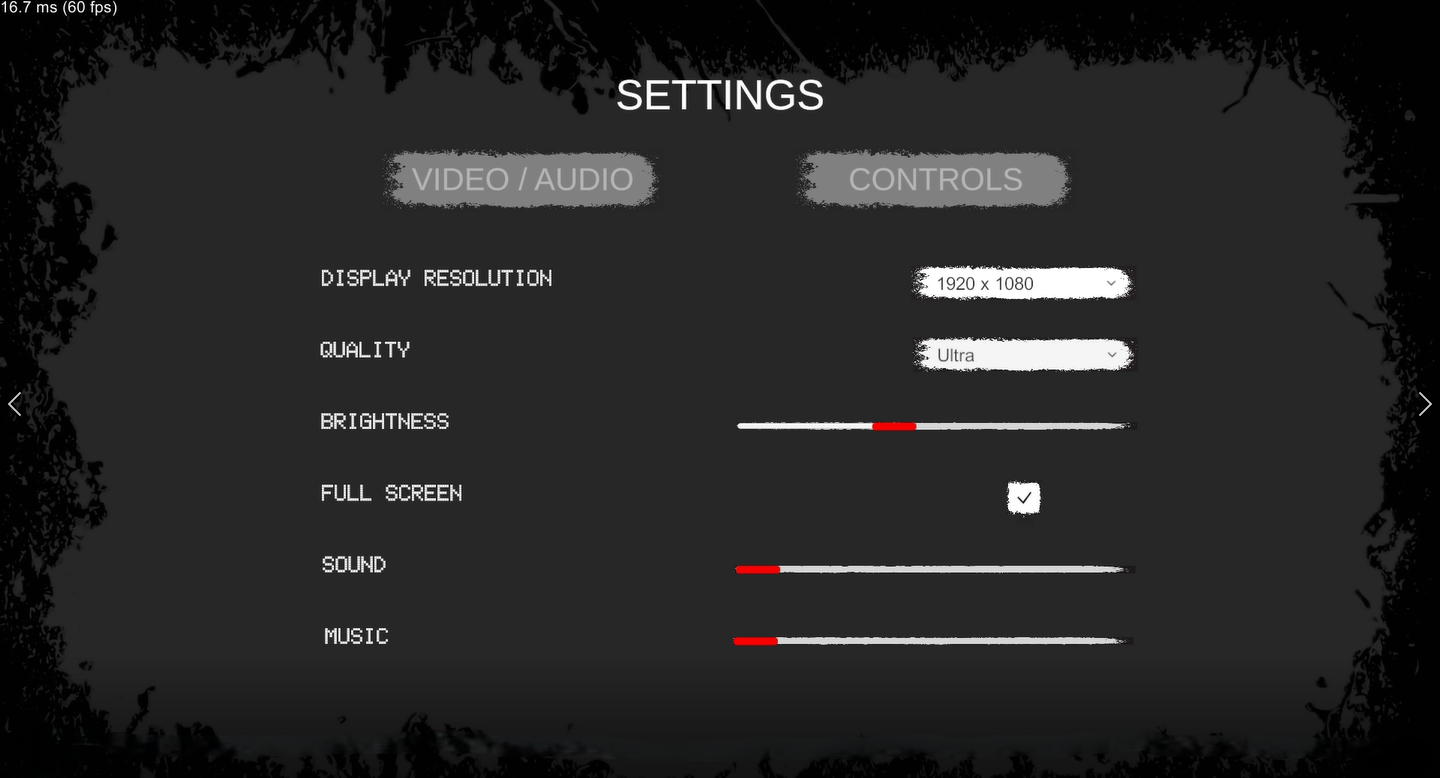
Developed an intuitive UI with settings controls, including brightness adjustment, quality settings, resolution options, and toggle features for enhanced user customization.
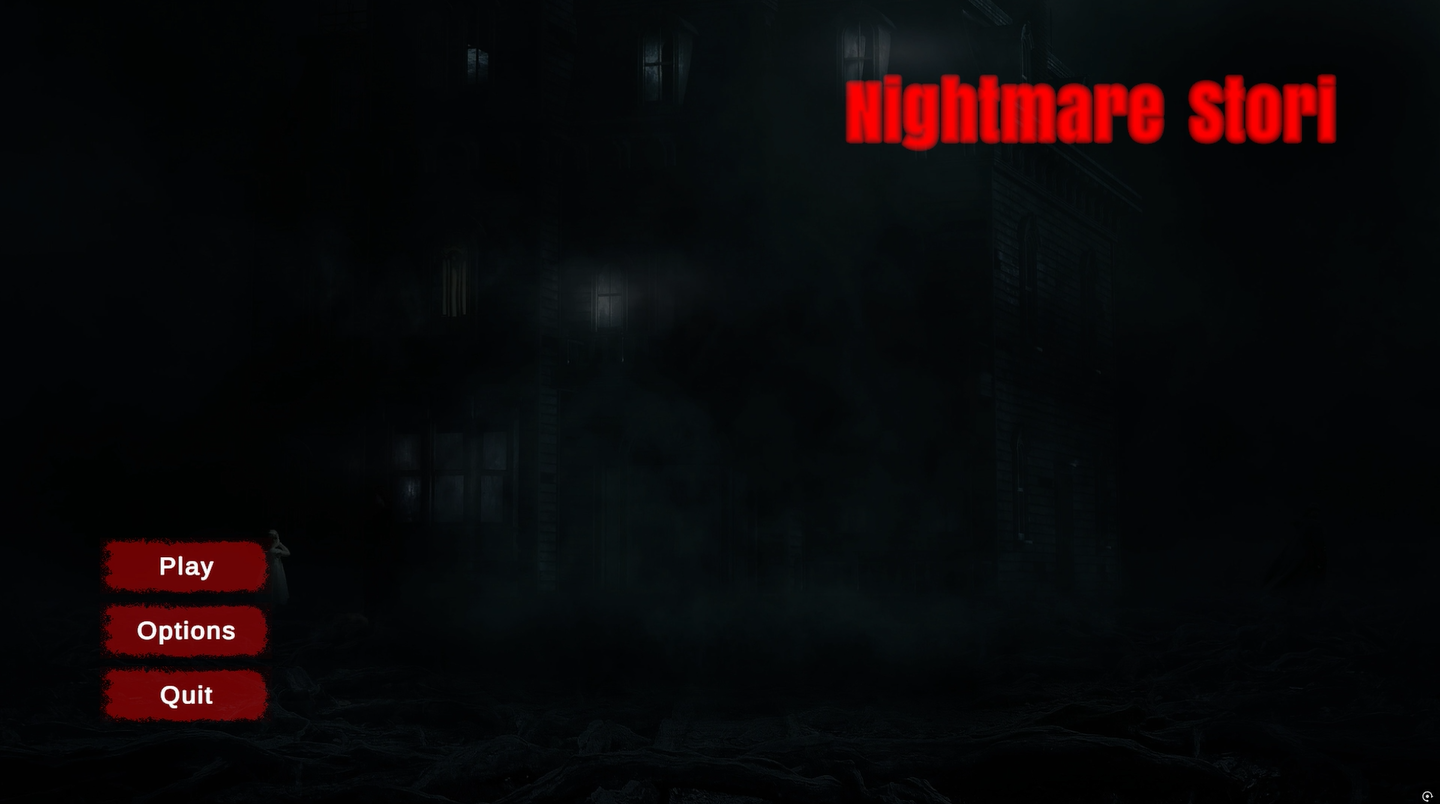
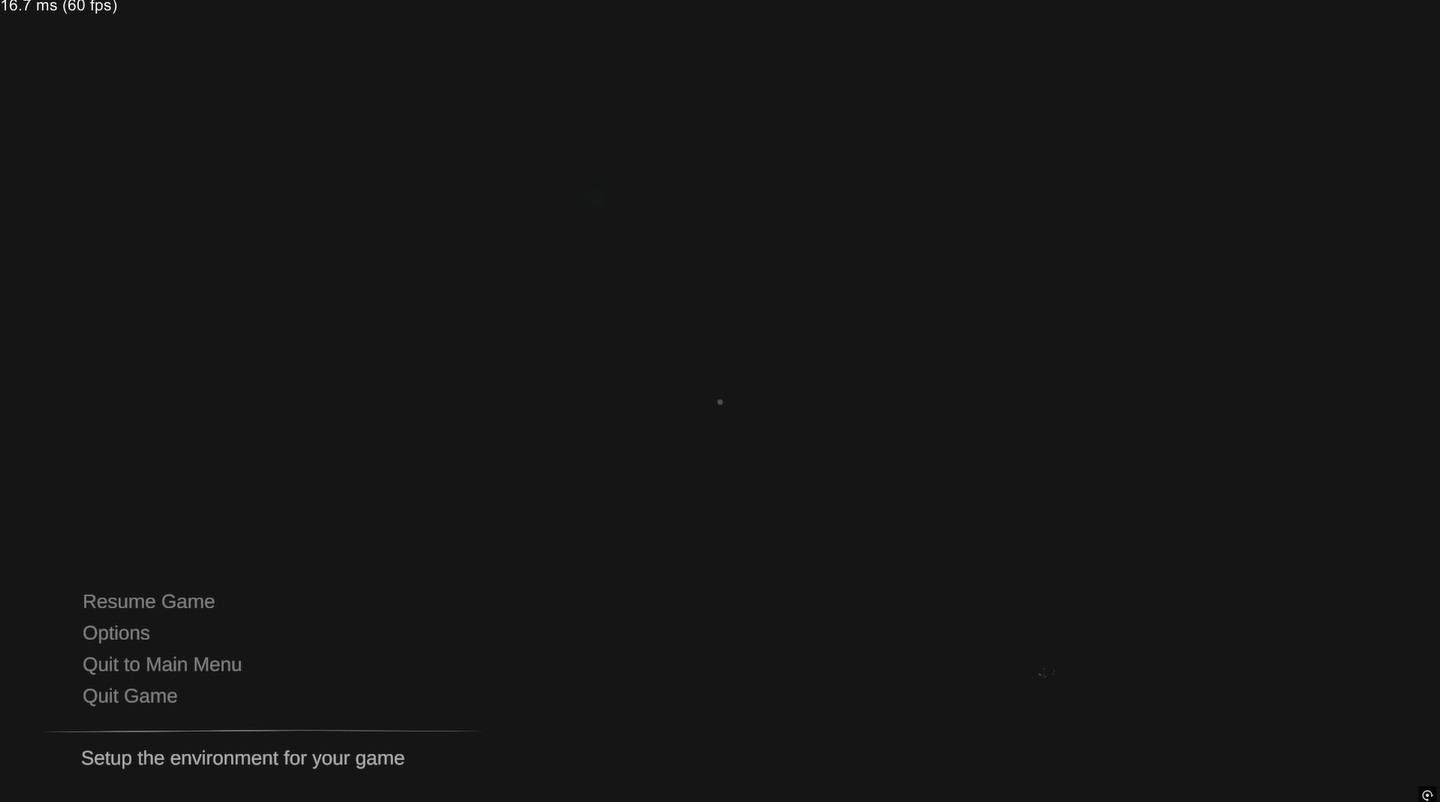

Designed a responsive and engaging gameplay system that enhances the player's horror experience.
Created a dark and eerie atmosphere using real-time lighting, shadows, and VFX.
Integrated physics-based interactions to allow players to manipulate objects dynamically.
Engineered a high-quality, immersive soundscape that reacts to player actions and surroundings.
Followed best practices in asset management and hierarchy structuring for smooth gameplay.
Designed a user-friendly settings menu with adjustable brightness, quality settings, resolution options, and toggle features for improved accessibility and player preference.
Successfully created a suspenseful horror experience with dynamic and interactive elements.
Optimized game performance through structured development and resource management.
Developed an immersive night environment with realistic sound design and lighting effects.
Ensured smooth transitions and seamless teleportation mechanics to enhance gameplay depth.
Integrated a comprehensive UI settings panel for enhanced player control and customization.
This horror game showcases my expertise in Unity 3D game development, from creating physics-based gameplay mechanics to optimizing performance for a seamless horror experience. By integrating dynamic lighting, interactive elements, and a structured development approach, this project delivers an intense and immersive horror experience for players while allowing customization through an intuitive UI settings menu.